Why Agencies Use Wedding Software Platforms in 2026
Why Agencies Use Wedding Software Platforms in 2026

Wedding software platforms are defined as integrated digital systems that centralize client communication, vendor coordination, payments, and event timelines into one shared workspace. Agencies rely on these platforms because managing a single wedding means coordinating 8–14 vendors, each with their own contracts, payment schedules, and logistics requirements. Without a centralized system, information gets lost across email threads, spreadsheets, and messaging apps. Platforms like Dubsado, Plutio, and Sentie exist precisely because that scattered approach breaks down under pressure. The core reason why agencies use wedding software platforms is simple: they replace chaos with a reliable, repeatable process.
Why agencies use wedding software platforms for communication
The most common failure point in wedding planning is not a missed detail. It is a miscommunication that nobody caught in time. Client portals solve this by keeping every conversation, document, and approval inside one shared workspace.
Agencies use integrated client portals to keep planner–client communication in one place and to reduce version confusion. That matters because couples and planners often work from different copies of the same timeline or budget. Portals eliminate the “which version is current?” problem by giving both parties access to the same live data.
The benefits of this shared visibility go beyond convenience:
- Single source of truth: Timelines, seating charts, budgets, and RSVPs all update in real time. No one works from a stale document.
- Transparent approvals: Couples can review and approve vendor selections, menu choices, or layout changes directly inside the portal. This removes back-and-forth email chains.
- Faster response cycles: When a planner posts an update, the couple sees it immediately. Response times drop from days to hours.
- Professional differentiation: Shared project portals give agencies a polished, organized image that builds client trust from the first interaction.
Planners’ frustration with CRMs often comes from how communication behaves inside or outside client portals. Good software aligns workflows with industry needs rather than forcing planners to adapt their process to a generic tool.
Pro Tip: Set up your client portal before the first planning call. Walking a couple through their portal on day one sets a professional tone and reduces inbound questions by a significant margin.
What automation features do wedding platforms provide?
Automation is where wedding management tools pay for themselves fastest. The repetitive tasks that burn planner time, such as sending payment reminders, confirming vendor bookings, and following up on unsigned contracts, do not require human judgment. They require consistency. Software delivers that consistency without fail.
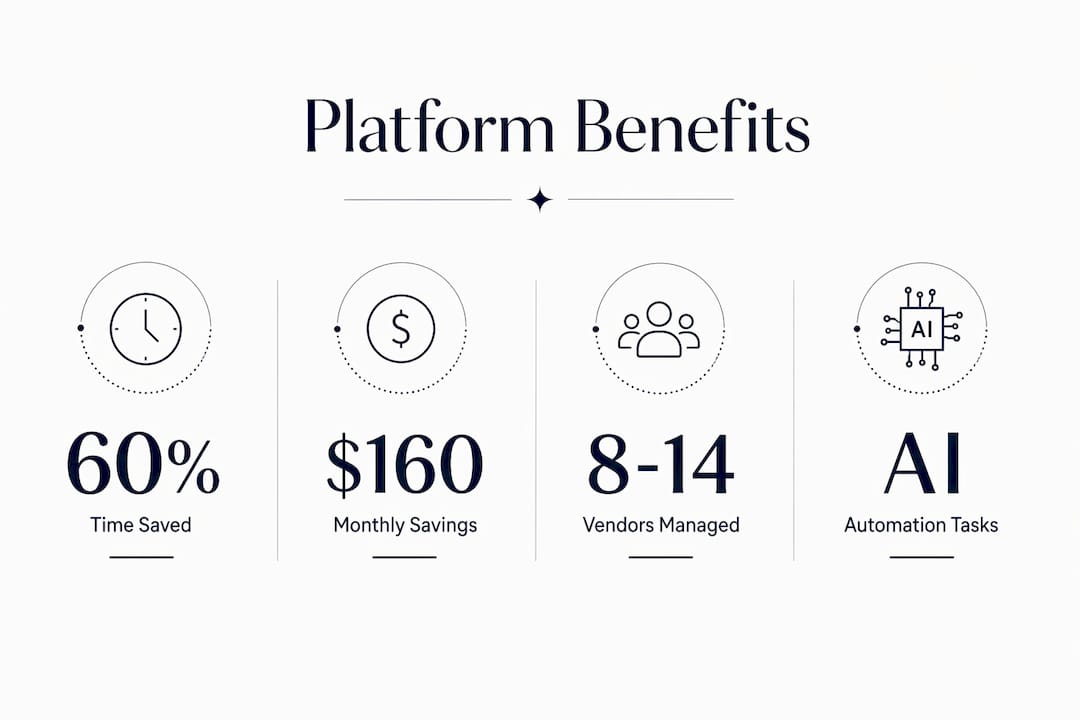
Workflow automation inside wedding software platforms prevents missed steps and handles repetitive tasks without manual follow-up. That means a planner managing five weddings simultaneously does not need to remember to send a florist reminder three weeks before the event. The platform does it automatically.
Here is how a typical automated workflow runs inside a platform like Dubsado or Plutio:
- Client inquiry received. The platform sends an automatic acknowledgment within minutes. The couple feels heard before the planner even opens their inbox.
- Proposal sent. The system triggers a follow-up reminder if the proposal goes unsigned after a set number of days.
- Contract signed. An automated welcome sequence launches, delivering onboarding documents and portal access instructions.
- Payment milestones set. The platform sends payment reminders on a schedule the planner defines once and never touches again.
- Vendor confirmations. Automated notifications go to each vendor at defined intervals before the event date.
- Day-of logistics. Final confirmation messages go to the venue, catering team, and transport providers without the planner drafting a single email.
AI-powered platforms like Sentie take this further. Custom AI agents handle scheduling, contract reminders, and client follow-up automatically, allowing planners to focus significantly less time on administrative tasks and more on client-facing work. That shift in focus is where agency growth actually happens.
Pro Tip: Build your automation sequences during your slowest month. Spending two hours setting up a workflow once saves you from spending 20 minutes on the same task for every single client.
Why do agencies prefer all-in-one platforms to multiple tools?
Most agencies start with a patchwork of tools: a spreadsheet for budgets, a separate app for contracts, email for client communication, and a notes app for vendor details. That setup works for one or two weddings. It breaks down fast at scale.

Replacing multiple tools with a single integrated platform can save $60–160 per month and recover five or more hours weekly through integrated vendor tracking and payment automation. Those hours represent real capacity to take on additional clients or improve service quality.
The table below shows what agencies gain when they consolidate tools:
| Function | Disconnected tools | Integrated platform |
|---|---|---|
| Client communication | Email, WhatsApp, text | Single client portal |
| Contracts and proposals | DocuSign, Google Docs | Built-in templates and e-signatures |
| Invoicing and payments | Stripe, PayPal, spreadsheet | Automated billing inside the platform |
| Vendor tracking | Spreadsheet, sticky notes | Vendor cards with contracts and payment history |
| Project timelines | Google Sheets, Trello | Live event timeline with team access |
The efficiency gain is not just about cost. Connected platforms track vendor milestones and payment status in one view. A planner can see at a glance which vendors have signed, which invoices are outstanding, and which confirmations are still pending. That visibility prevents the errors that disconnected tools consistently produce.
How do wedding platforms reduce errors in multivendor coordination?
A typical wedding involves 8–14 vendors, each with their own contact information, quotes, contracts, payment schedules, and notes. Mixing communication channels across WhatsApp, email, and notebooks causes significant stress for couples in the final months before their wedding, largely due to lost or conflicting information. Centralized vendor communication with attached contracts and payments reduces this stress directly.
The root cause of most day-of failures is a communication gap, not a planning failure. Automated vendor coordination reduces hours spent on email and cuts human error risk by creating a single, reliable information flow between planner, vendors, and venue.
Platforms address multivendor complexity through several specific features:
- Vendor cards: Each vendor gets a dedicated record containing contact details, contract status, payment history, and notes. Planners stop switching between tabs to find basic information.
- Automated logistics confirmations: The platform sends confirmation requests to vendors at set intervals. No vendor arrives on the day without a confirmed brief.
- Centralized contract tracking: All signed agreements live in one place. If a vendor disputes a detail, the planner pulls the contract in seconds.
- Payment milestone alerts: The system flags overdue payments before they become a problem. Vendors stay on schedule without the planner chasing manually.
Vendor-specific information attached to the vendor record, including contracts, notes, and payment schedules, reduces context switching in projects that run for months. That reduction in switching is not a minor convenience. It is the difference between a planner who stays on top of 12 vendors and one who loses track of two.
You can learn more about how agencies structure this coordination in the wedding coordinator’s role in vendor scheduling.
Key Takeaways
Wedding agencies that consolidate client communication, vendor tracking, and payment automation into one platform consistently deliver fewer errors and better client experiences than those using disconnected tools.
| Point | Details |
|---|---|
| Centralized communication | Client portals eliminate version confusion by giving planners and couples access to the same live data. |
| Automation saves real time | Automated reminders and workflows recover five or more hours weekly and prevent missed follow-ups. |
| All-in-one platforms cut costs | Consolidating tools can save $60–160 per month while reducing coordination errors across vendors. |
| Multivendor tracking prevents failures | Vendor cards with attached contracts and payment schedules reduce day-of errors caused by communication gaps. |
| Software choice affects client experience | The platform a planner uses shapes how professional and organized the agency appears from day one. |
What I have learned from watching agencies choose the wrong platform
The most common mistake I see agencies make is choosing software based on feature lists rather than workflow fit. A platform can have every feature imaginable and still slow a planner down if the interface fights their natural process. The agencies that get the most from their software are the ones that spend time during onboarding mapping their existing workflow into the platform before going live with clients.
The second mistake is treating automation as a replacement for personal care. In luxury wedding markets especially, clients pay for the feeling that someone is genuinely looking after them. Automation supports that feeling when it is set up thoughtfully. A well-timed reminder feels attentive. A generic blast at the wrong moment feels careless. The planner’s job is to design the automation so it reflects their service style, not just their efficiency goals.
My honest recommendation: start with one automated sequence, run it through two or three client projects, and refine it before building more. Agencies that try to automate everything at once usually end up with a system that works on paper but breaks in practice. Slow, deliberate setup produces workflows that actually hold up under the pressure of a real event. Invest the time in your platform the same way you invest time in your client relationships. The return is compounding.
— JOATLABS
Thespecialwedding: your vendor directory for software-enabled planning
Thespecialwedding gives wedding agencies a direct path from software-managed workflows to real, bookable vendors.
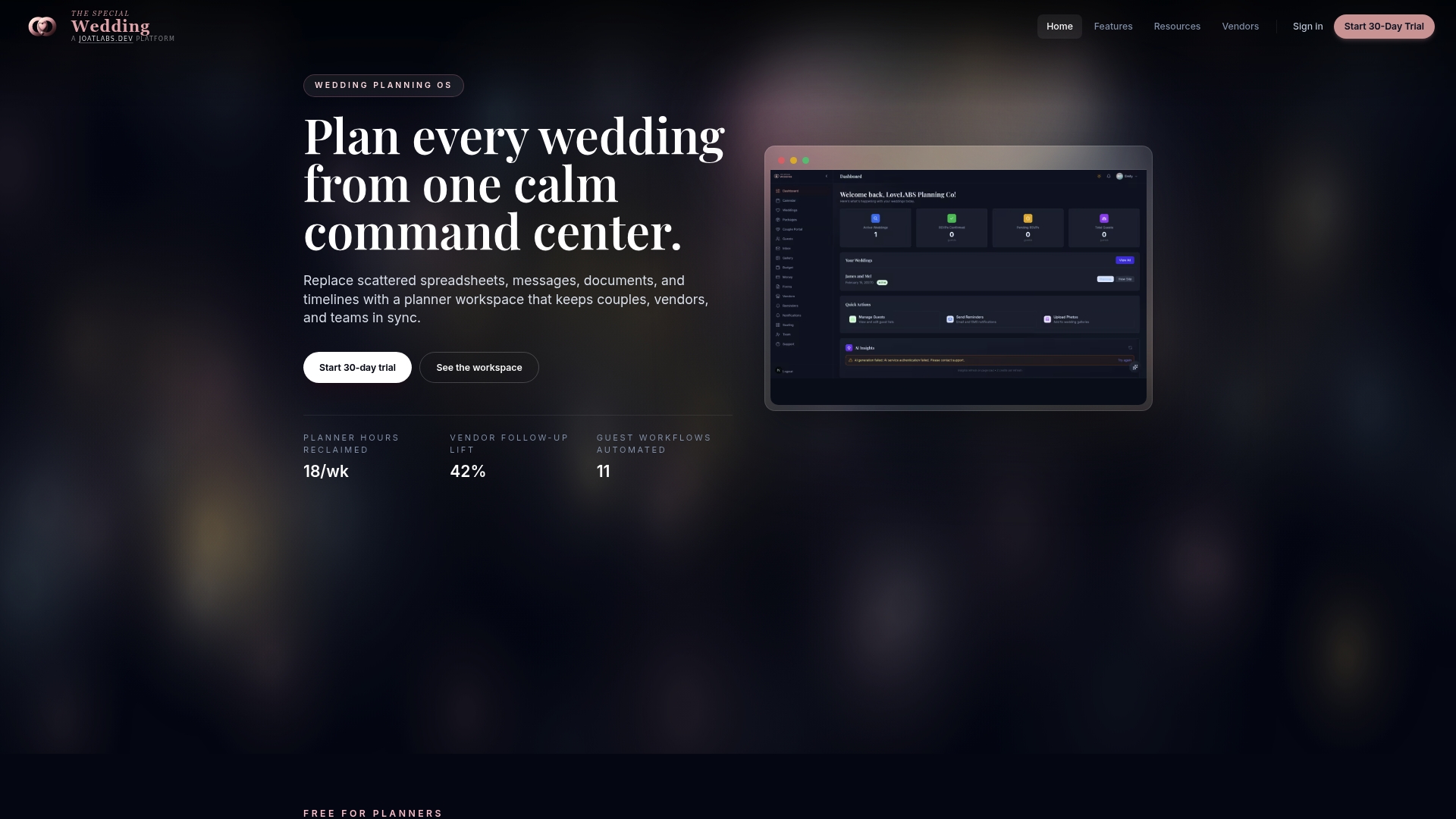
The Thespecialwedding vendor directory lists rental providers, DJs, planners, decorators, caterers, and more, all organized for easy integration into your planning workflow. Agencies using platforms like Dubsado or Plutio can pull vendor details directly from the directory and load them into their vendor cards without starting from scratch. Whether you need a DJ like PartyBox in Oklahoma City or a full-service rental company, the directory gives you a verified starting point. Thespecialwedding is built for agencies that want their software and their vendor network working together.
FAQ
What is a wedding software platform?
A wedding software platform is an integrated digital tool that centralizes client communication, vendor coordination, contracts, payments, and event timelines in one workspace. Platforms like Dubsado and Plutio are widely used examples.
How does wedding planning software reduce errors?
Wedding planning software reduces errors by centralizing vendor contracts, payment schedules, and logistics confirmations in one system. Automated reminders and vendor cards eliminate the communication gaps that cause day-of failures.
Can automation replace personal client care in wedding planning?
Automation handles repetitive tasks like payment reminders and vendor confirmations, but it does not replace the human judgment and personal attention that clients expect. The best agencies use automation to free up time for higher-value client interactions.
How much can agencies save by switching to an all-in-one platform?
Replacing multiple disconnected tools with a single integrated platform can save $60–160 per month and recover five or more hours weekly, according to Plutio’s published analysis of wedding planner workflows.
What types of wedding management systems exist?
Wedding management systems range from CRM-focused tools like Dubsado to AI-powered platforms like Sentie and project management tools like Plutio. A full breakdown of wedding management system types is available for agencies evaluating their options.
Recommended
- Types of Wedding Event Management Systems in 2026 | The Special Wedding Blog
- Wedding Planning Dashboard Benefits for Pros in 2026 | The Special Wedding Blog
- Wedding planner workspace explained: boost multi-event ops | The Special Wedding Blog
- Top 6 Knot.com Wedding Planning Alternatives 2026 | The Special Wedding Blog
Free wedding planner templates
Skip the blank page — these templates ship with the form fields you actually need.
Browse all 9 free templates →